Scott 3200A Tailwheel – Fully Rebuilt: Professional Replacement for Compatible Aircraft
Scott 3200A Tailwheel – Fully Rebuilt: Professional Replacement for Compatible Aircraft
Blog Article
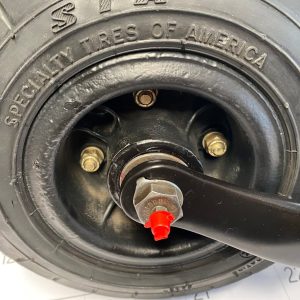
The Scott 3200A Tailwheel – Fully Rebuilt combines an established aviation design with inspected, serviced, adjusted, and replaced components intended to restore dependable mechanical operation. The quality of the rebuild depends on workmanship, parts selection, dimensional condition, technical procedures, final adjustment, and available documentation.
The Scott 3200A Tailwheel Assembly should be matched with the aircraft tail spring, mounting arrangement, steering linkage, operational weight, and approved configuration. The Scott Tailwheel Assembly may contain bearings, bushings, springs, steering pawls, arms, wheel components, axle hardware, fasteners, and internal wear surfaces.
The Aircraft Tailwheel Assembly should remain properly aligned, lubricated, secured, adjusted, and compatible with the complete aircraft steering system. A properly maintained General Aviation Tailwheel can support predictable directional control and long-term serviceability.
Whether buyers need an Aircraft Tailwheel, Taildragger Tailwheel, or complete Aviation Tailwheel System, model identification and rebuild details should be verified.
Why Aircraft Owners Choose the Scott 3200A
The Scott 3200A is designed to provide tail support, wheel rotation, steering response, and controlled swiveling for compatible conventional-gear aircraft. The tailwheel operates together with the aircraft tail spring, steering chains or links, steering springs, rudder system, attachment bolts, and surrounding structure.
Scott 3200A Tailwheel Applications
Actual operation depends on the complete aircraft installation rather than the tailwheel assembly alone. A rebuilt unit may include inspected housings, renewed bearings, replacement bushings, serviced steering components, fresh lubrication, suitable hardware, and adjusted internal parts.
Scott Tailwheel Assembly Rebuild Process
Correct lubrication and careful reassembly help restore smooth movement and reduce unnecessary wear. Cosmetic refinishing should remain secondary to mechanical condition and structural integrity.
Choosing an Aircraft Tailwheel Assembly
The assembly should move freely enough for intended operation while avoiding uncontrolled swivel or excessive looseness. Incorrect linkage tension can cause delayed steering, harsh engagement, restricted movement, or unnecessary component loading.
Choosing a General Aviation Tailwheel
Maintenance intervals should reflect actual operating conditions rather than calendar time alone. Experimental aircraft installations should be evaluated according to the builder’s configuration and applicable operational requirements.
Benefits of an Aircraft Tailwheel
Its geometry, tire condition, fork alignment, steering arrangement, and internal condition can influence ground behavior. The tire should be inspected for cuts, flat spots, cracking, uneven wear, deterioration, contamination, and correct condition.
Choosing a Taildragger Tailwheel
The Taildragger Tailwheel should be treated as an important ground-control component rather than a minor accessory. Repeated hard pivoting can increase wear on the tire, bearings, springs, steering arms, fork, and mounting hardware.
Aviation Tailwheel System Inspection
Every component influences how steering input reaches the wheel and how operational loads return to the aircraft. Left and right steering connections should be inspected for matching condition and correct installation.
Benefits of a Tailwheel Steering Assembly
The mechanism should Tailwheel Steering Assembly respond smoothly without sticking, harsh engagement, excessive delay, uncontrolled release, or irregular centering. Steering arms should be inspected for bending, cracking, corrosion, elongated holes, and wear at attachment points.
Aircraft Taxi Steering Performance
A correctly adjusted tailwheel may support smoother maneuvering without excessive brake use. Towbars and handling equipment should match the aircraft and remain clear of vulnerable tailwheel components.
Maintaining Scott 3200 Series Components
Historical popularity does not remove the need for exact aircraft compatibility and installation verification. A visually similar tailwheel may contain important differences affecting installation or operation.
Heavy-Duty Aircraft Tailwheel Applications
A Heavy-Duty Aircraft Tailwheel may be considered for utility, bush, training, agricultural, work-oriented, or backcountry aircraft exposed to demanding ground use. Aircraft operating regularly from unimproved strips may require more frequent servicing.
Buying Tailwheel Aircraft Parts
Tailwheel Aircraft Parts may include wheels, tires, bearings, axles, forks, steering arms, springs, pawls, bushings, seals, chains, bolts, and mounting hardware. Small wear items can have a significant influence on steering performance and service life.
Aircraft Tailwheel Directional Control
A rebuilt steering mechanism should be evaluated for smooth, consistent, and repeatable operation. Pilots should use techniques appropriate to the aircraft and avoid unnecessary mechanical stress.
Benefits of a Replacement Aircraft Tailwheel
The rebuilt Scott 3200A should be compared with both the existing installation and the intended aircraft configuration. A professional pre-installation review protects both the aircraft and the buyer’s investment.
Inspecting General Aviation Landing Gear Parts
Each component contributes to aircraft support, ground control, steering, braking, or load absorption. Sellers should avoid unsupported claims of universal compatibility, guaranteed serviceability, or immediate installation readiness.
Evaluating a Scott 3200A Tailwheel
A detailed inspection reduces uncertainty and supports a more informed transaction.
- Confirm that the assembly is a Scott 3200A, review all visible markings, compare mounting details, and verify the wheel-and-fork configuration for the intended aircraft.
- Confirm whether retained components passed inspection and whether replacement parts were appropriate for the assembly.
- Retain all purchase and rebuild records with the appropriate aircraft maintenance information.
Scott 3200A Tailwheel Installation Guide
Every fastener and component should match the intended installation and remain properly secured. Swivel engagement, release, centering, and directional action should operate consistently.
Testing should begin at low speed in a suitable area under safe conditions.
Protecting a Rebuilt Tailwheel Assembly
Consistent servicing protects the value of the Scott 3200A Tailwheel – Fully Rebuilt. Pilots should inspect the tailwheel before operation for tire damage, loose hardware, bent parts, steering-link condition, contamination, corrosion, and visible misalignment.
Suitable lubricant should be applied at the correct locations without attracting unnecessary contamination.
Final Thoughts on the Rebuilt Scott 3200A
The Scott 3200A Tailwheel – Fully Rebuilt can provide a dependable replacement option for compatible aircraft when its rebuild quality, condition, configuration, and documentation are verified. The strongest purchase decision begins with confirming model identity, rebuild scope, replaced components, retained parts, structural condition, tire status, steering arrangement, included hardware, and aircraft compatibility.
Whether the aircraft operates from pavement, grass, gravel, dirt, private strips, utility fields, or backcountry airfields, the tailwheel should match the actual aircraft and operating environment. With transparent rebuild records, secure mounting, serviceable steering components, and careful taxi testing, the Scott 3200A can support predictable ground handling.
Report this page